Head of Ecommerce job description

This is the definitive career guide for the Head of Ecommerce role. Here we cover daily responsibilities, salary benchmarks, career progression, qualifications, and how the role differs from similar positions. Whether you're a candidate exploring your next move or an employer writing a job description, this page gives you the precise, data-backed information you need.

More job descriptions

What does a Head of Ecommerce do?

A Head of Ecommerce is a senior commercial leader responsible for driving online revenue growth. They manage the end-to-end digital trading operation, and own the ecommerce P&L across DTC, marketplace, and omnichannel platforms using tools including Shopify Plus, GA4, Klaviyo, and Amazon Seller/Vendor Central.

This role is responsible for developing and implementing an ecommerce strategy that improves customer experience, drives sales and increases conversion rates. In this leadership role, they're also responsible for overseeing the ecommerce team, ensuring that they're working effectively and efficiently.

Key responsibilities

While the Head of Ecom job description might vary, the main responsibilities of the role include:

  • Develop a leading ecom strategy: Develop and implement a leading strategy to meet sales and profit targets. 
  • Ecommerce management: Full responsibility of the ecommerce journey, managing a cross-functional team to execute your strategy. The Head of will manage, lead and develop the omnichannel team, including trading, sales, content and digital marketing.
  • Budget management: Set and track channel KPIs inline with the overall business goals. Develop channel budgets ensuring sales, costs and profit remain on track. 
  • Optimisation: Constantly look to improve site performance, identifying innovative tech solutions to reduce barriers to sale. Work closely with third parties to manage end to end projects that enhance the user experience.
  • Merchandising: Manage and plan the merchandising of products. This includes monitoring inventory levels and highlighting replenishment and growth opportunities.
  • Digital marketing: Work closely with the marketing, communications and social media teams to ensure consistent messaging. Plus, the Head of Ecom will oversee performance marketing channels, including PPC, SEO, affiliate and email marketing.
  • Omnichannel: Work with the operations team to optimise omnichannel services, including click and collect, returns to store and in-store ordering. Report on these services, identifying areas for improvement.
  • Reporting: Monitor, analyse and report on KPIs to communicate progress to the board.


What does a Head of Ecommerce do every day?

Daily responsibilities centre on trading performance and revenue protection. The Head of Ecommerce reviews site performance dashboards (revenue, conversion rate, AOV, traffic by channel) via GA4 and internal BI tools to identify same-day actions. They monitor live marketplace performance across Amazon, eBay, or TikTok Shop, flagging stock availability issues or buy box losses. They approve promotional activity, homepage merchandising changes, and pricing adjustments in collaboration with trading and marketing teams.


What happens on a weekly basis?

Weekly responsibilities shift from execution to strategy and performance management. The Head of Ecommerce leads cross-functional trading meetings with marketing, supply chain, and finance to review weekly KPIs against forecast. They review paid media performance with the performance marketing team or agency, approving budget reallocation based on ROAS/CAC data. They conduct CRO analysis: reviewing A/B test results, heatmap data, and checkout funnel drop-off points to prioritise UX improvements.


What are the monthly and quarterly accountabilities?

Monthly, the Head of Ecommerce presents ecommerce performance reports to the board or senior leadership, translating data into commercial narrative covering revenue, margin, and LTV trends. They own the ecommerce P&L: forecasting revenue, managing cost lines (platform fees, agency costs, delivery subsidies), and reporting against budget. They lead team development through 1-to-1s, performance reviews, hiring for open roles, and skills development planning.

Quarterly, they typically present strategic reviews covering channel performance, competitive positioning, platform roadmap, and headcount planning. In many organisations, the quarterly review is the key moment where budget allocation decisions are made for the coming period.


Skills and requirements

To hire a Head of Ecommerce, you should search for the following requirements:

  • Minimum of 6 years of experience in ecommerce, with a track record of delivering significant revenue growth
  • Data-driven mindset and analytical skills, with experience using tools such as Google Analytics and Hotjar
  • Proven experience optimising a brand's online presence across their website and ecommerce platforms, as well as their omnichannel strategies
  • Experience managing a cross-functional team, with an understanding of the fundamentals of digital marketing and UX design
  • A proven leader, with the ability to motivate and inspire your team
  • Strong commercial acumen, with experience managing budgets
  • Excellent communications skills

What is a Head of Ecommerce's salary?

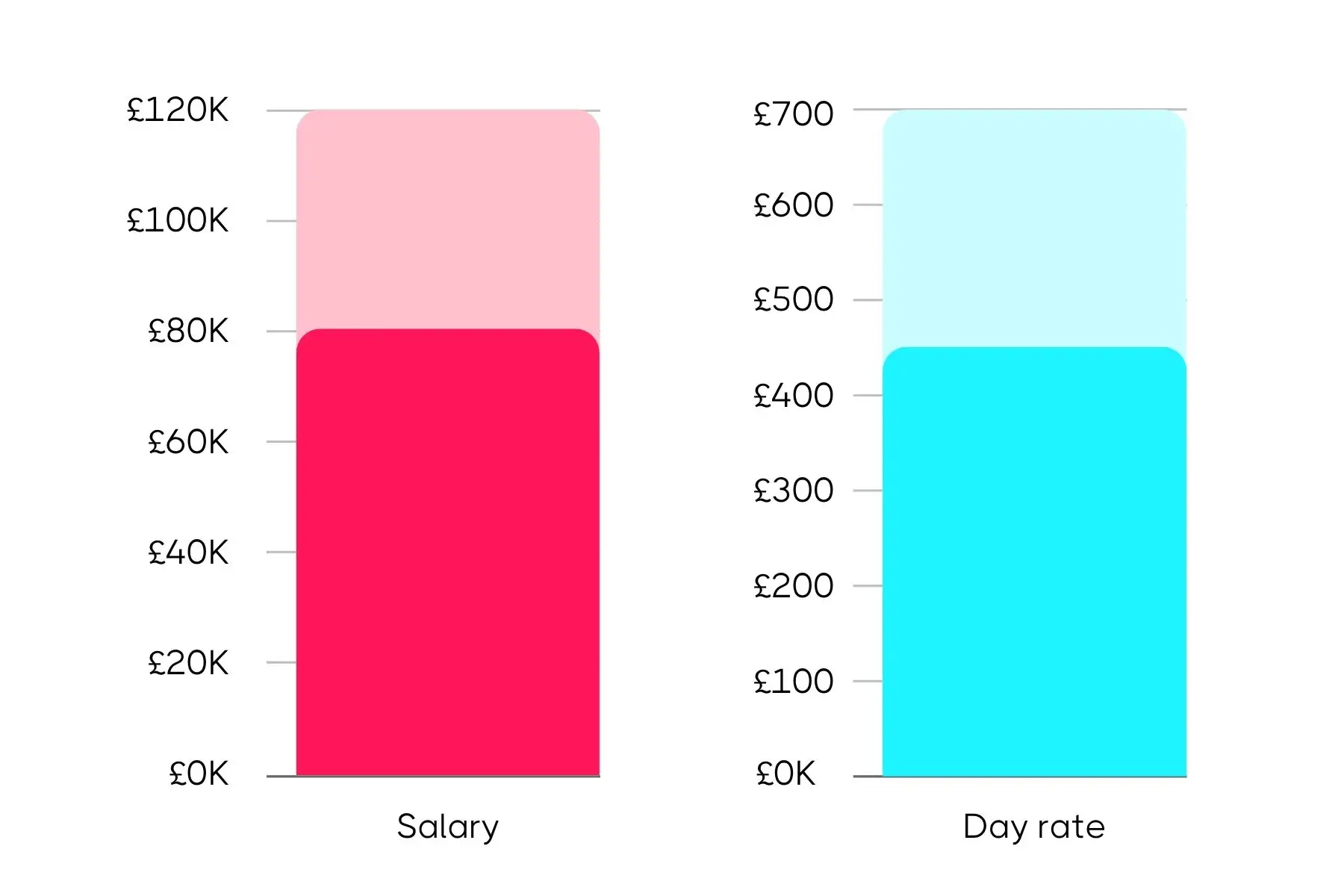
The average salary for a permanent Head of Ecom hire is £80,000 - £120,000. For a contractor, they can expect a day rate of £450 - £700.

Hiring managers should acknowledge that salaries can vary based on a number of reasons. This includes business size, industry and the seniority of the hire. For more information, download our salary guide below.

More salaries
Side-by-side bar charts comparing salary and day rate values in British pounds, with the salary bar reaching £120K and the day rate bar reaching £700.

Career path & progression

Ecommerce careers can follow a clear progression path with salary increases tied to expanding commercial accountability.

The entry point for an ecommerce career. In this role, responsibilities include product listing management, order processing support, basic site content updates, and assisting with campaign execution. 

Candidates at this level build foundational platform skills, such as Shopify, GA4 basics, and proficiency with email marketing tools. Progression depends on demonstrating commercial awareness beyond task completion.

Transitioning into a Manager role sees you take ownership of a specific channel - the DTC site or marketplace - with direct P&L accountability. 

The Ecommerce Manager looks after day-to-day trading, coordinates with marketing on campaigns, and begins owning conversion rate and revenue targets. This is where candidates develop the commercial fluency required for Head-level roles.

Within this role, candidates take on full ecommerce P&L ownership, team leadership (usually 3-8 direct reports), and board-level reporting. 

The Head of Ecommerce often sets channel strategy across DTC, marketplace, and omnichannel. They manage platform relationships, vendor negotiations, and cross-functional stakeholder alignment. This role requires both strategic vision and hands-on commercial execution.

As a Director, professionals take on a multi-market or international scope, a larger team (usually 10-20+), and have strategic input into business-wide commercial direction. Directors typically own a larger technology and transformation agenda alongside the trading operation.

Within the C-suite, professionals take on a broader remit beyond ecommerce into digital or commercial strategy. CDOs shape the business's entire digital proposition, including technology investment, data strategy, and customer experience across all channels.

Ready to hire a Head of Ecommerce? Get in touch to see how we can help!

Liz Hopkins, Senior Director

Let’s talk

FAQs

Many ecom professionals hold a degree in marketing, business, or a related field, but "qualified by experience" candidates are common and increasingly preferred by employers. The ecommerce sector values demonstrable results over academic credentials. Employers prioritise 7-10+ years of progressive ecommerce experience with demonstrable P&L ownership over formal qualifications.

Platform certifications do strengthen CVs. The most valued certifications in 2026 include Shopify Partner certification, Google Analytics (GA4) certification, Meta Blueprint certification, and Amazon Advertising certification.

Yes. Many current Heads of Ecommerce progressed from junior digital or trading roles through hands-on experience. Platform certifications and a portfolio of commercial outcomes (revenue growth, CRO wins, marketplace scaling) carry more weight than a degree at this level. 

As a Head of Ecommerce, you build strong career prospects, with clear progression to Director, VP, or CCO level

The role sits at the commercial heart of modern retail, and demand consistently outstrips supply. Our 2026 Annual Pay & Hiring Report shows 16% of businesses plan to hire ecommerce talent. 

The role suits commercially-minded leaders who enjoy blending data, technology, and customer strategy.

Core daily activities include reviewing trading dashboards (revenue, conversion, AOV), managing site merchandising and promotional activity, leading cross-functional meetings with marketing, tech, and supply chain, and overseeing paid media and CRM performance. Monthly responsibilities include board reporting, P&L management, and team development. The role demands a blend of strategic thinking and hands-on commercial execution.

UK salaries range from £80,000 to £120,000, with a national average of £73,000 (Glassdoor). A number of factors impact salary, including company size, sector, P&L scope, and whether the role includes marketplace and international responsibility.

For a more accurate picture of how much you should be budgeting for a Head of Ecom hire, get in touch with our specialist recruiters.

An Ecommerce Manager typically owns day-to-day site operations, merchandising, and campaign execution within a defined channel. Meanwhile, a Head of Ecommerce holds full P&L accountability, leads a team, sets the strategy across multiple channels (DTC, marketplace, omnichannel), and reports into senior leadership or the board. The salary gap reflects this: £45,000-£60,000 vs £80,000-£120,000.